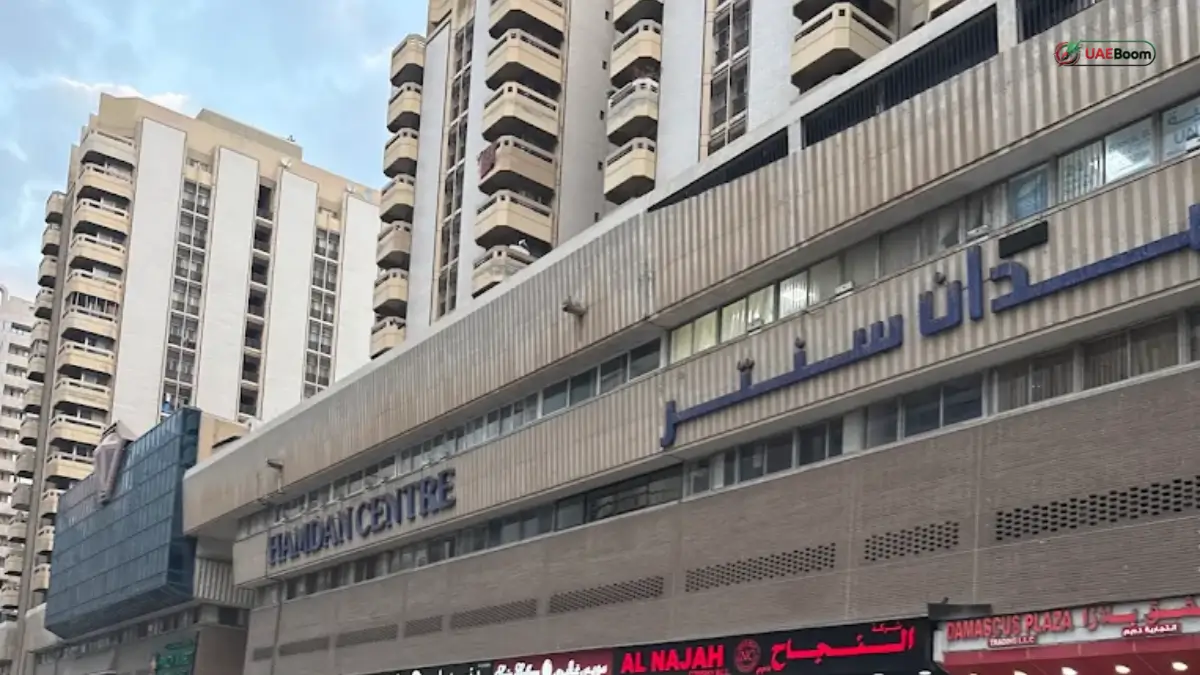


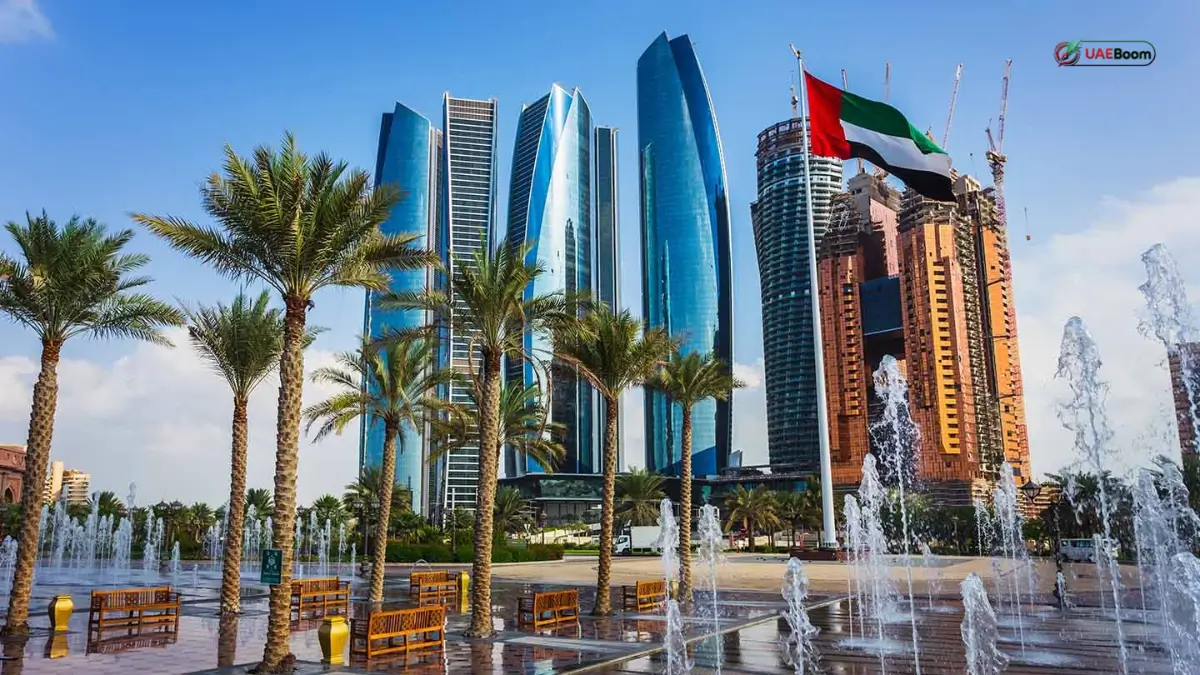
When people picture moving to Abu Dhabi, they often envision the glittering high-rises of the Corniche, the luxury waterfront apartments of Al Reem Island, or the leisure-centric villas of Yas Island. However, a different kind of residential ecosystem powers the capital’s day-to-day life just off the main island.
Nestled strategically on the mainland sits Mohammed Bin Zayed City (commonly referred to as MBZ City). Spanning roughly 45 square kilometers between Zayed City and Mussafah, MBZ City has quietly evolved from a remote outer-skirt development into one of Abu Dhabi’s most self-contained, family-oriented suburban havens.
If you are a growing family seeking more square footage for your budget, a cross-emirate professional looking to cut down on your Dubai commute, or an investor analyzing mainland real estate trends, this comprehensive guide unpacks everything you need to know about living, renting, and navigating MBZ City.
A Brief History & Community Overview
Named in honor of the UAE President, His Highness Sheikh Mohamed bin Zayed Al Nahyan, MBZ City was designed to alleviate urban crowding on Abu Dhabi Island by creating a sprawling, highly structured mainland suburb.
Unlike organic settlements that grow haphazardly, MBZ City was engineered with a strict grid layout. Wide streets and designated sectors define the area, which is systematically broken down into numbered zones (such as Zone 1, Zone 2, and various Shabiya sectors).
The overall vibe here is distinctly suburban. Gone is the frantic pace of the inner city; instead, you find quiet streets, neighborhood groceries, local mosques, and children playing in community parks. It functions as a true “city-within-a-city,” providing all the essentials of daily living without requiring residents to cross the bridge into downtown Abu Dhabi.
Real Estate Landscape: Types of Properties & Pricing
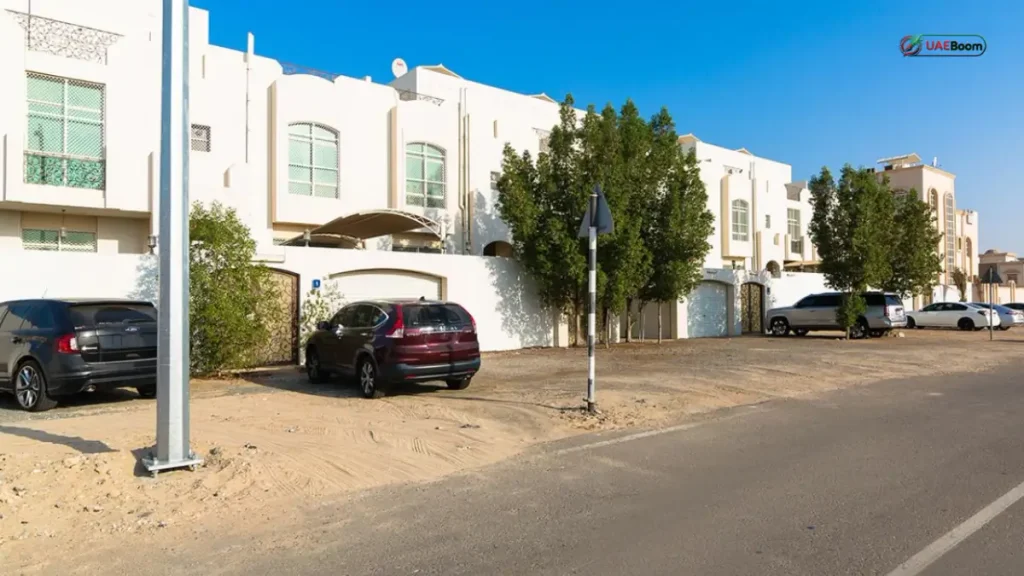
The defining characteristic of MBZ City’s real estate market is space and affordability. While central Abu Dhabi leans heavily toward high-rise apartment living, MBZ City is fundamentally a villa-dominated landscape.
The Villa Dominance
The market features a vast inventory of standalone and semi-detached villas ranging from 3 to 6+ bedrooms. These properties typically include features that are hard to come by in central apartments:
- Private walled courtyards and landscaped gardens
- Dedicated multi-car parking or shaded carports
- Traditional majlis areas and expansive family living rooms
- Separate maid’s quarters and multi-kitchen layouts
Apartments and Townhouses
For smaller families, couples, or working professionals, low-rise apartment blocks and townhouses are scattered throughout various zones. These units provide a cost-effective entry point into the neighborhood, often featuring ground-floor retail convenience.
Market Pricing Trends
MBZ City remains one of the most value-driven districts in the emirate:
- 3-Bedroom Villas: Generally command annual rents between AED 80,000 and AED 115,000.
- 4-Bedroom Villas: Range from AED 95,000 to AED 135,000 annually.
- Large 5/6-Bedroom Homes: Span anywhere from AED 115,000 to AED 190,000+ depending on age, plot size, and modern upgrades.
Note on Ownership: MBZ City is predominantly a non-freehold area designated primarily for ownership by UAE and GCC nationals. However, leasing options remain widely open, vibrant, and legally secure for expatriates of all nationalities.
Connectivity & Strategic Location
One of the primary drivers behind MBZ City’s enduring popularity is its geographical positioning.
The Mainland Advantage
Situated right next to the major arterial networks of the Sheikh Khalifa Bin Zayed International Road (E11) and Al Ain Road (E22), the neighborhood acts as an effortless transit hub:
- The Dubai Commuter Hotspot: Because of its direct highway access northward, it is heavily favored by households where one partner commutes to Dubai or industrial hubs like Kizad, saving precious minutes on every trip.
- Proximity to Key Landmarks: Abu Dhabi International Airport is a quick 15-to-20-minute drive away, while the leisure offerings of Yas Island are easily reachable.
Commuting Realities to Downtown
While highway connectivity is exceptional, you must factor in peak-hour traffic. During morning (7:00 AM – 9:00 AM) and evening (5:00 PM – 7:00 PM) rush hours, driving from MBZ City to downtown Abu Dhabi or the Corniche typically takes 35 to 65 minutes, largely due to bottlenecking near the bridges connecting the mainland to the island.
Family Essentials: Education & Healthcare
Because MBZ City is built with families in mind, its social infrastructure is robust.
Schools and Nurseries
Parents have access to a diverse array of educational institutions catering to multiple international curricula (British, American, and Indian) right within or immediately adjacent to the community:
- Ajyal International School
- Bright Riders School
- Al Wahda International Private School
- Reputable early-learning centers and nurseries (such as British Orchard-affiliated options) that accommodate toddlers and working parents.
Healthcare Infrastructure
Medical needs are well-supported locally. The area hosts multiple multi-specialty clinics and healthcare centers, including:
- NMC Royal Family Medical Centre
- Madinat Mohammed Bin Zayed Healthcare Center
- Quick access to massive hospital networks in neighboring Mussafah and central Abu Dhabi for advanced medical care.
Lifestyle, Shopping & Daily Conveniences
Living in MBZ City means never having to travel far for groceries, retail therapy, or weekend errands.
| Category | Key Locations & Options |
| Retail Hubs | Mazyad Mall, Dalma Mall (Minutes away) |
| Supermarkets | Carrefour, Lulu Hypermarket, Spinneys |
| Fitness & Wellness | Uform Fitness, Local Community Gyms |
| Green Spaces | MBZ Park, Local Sector Playgrounds |
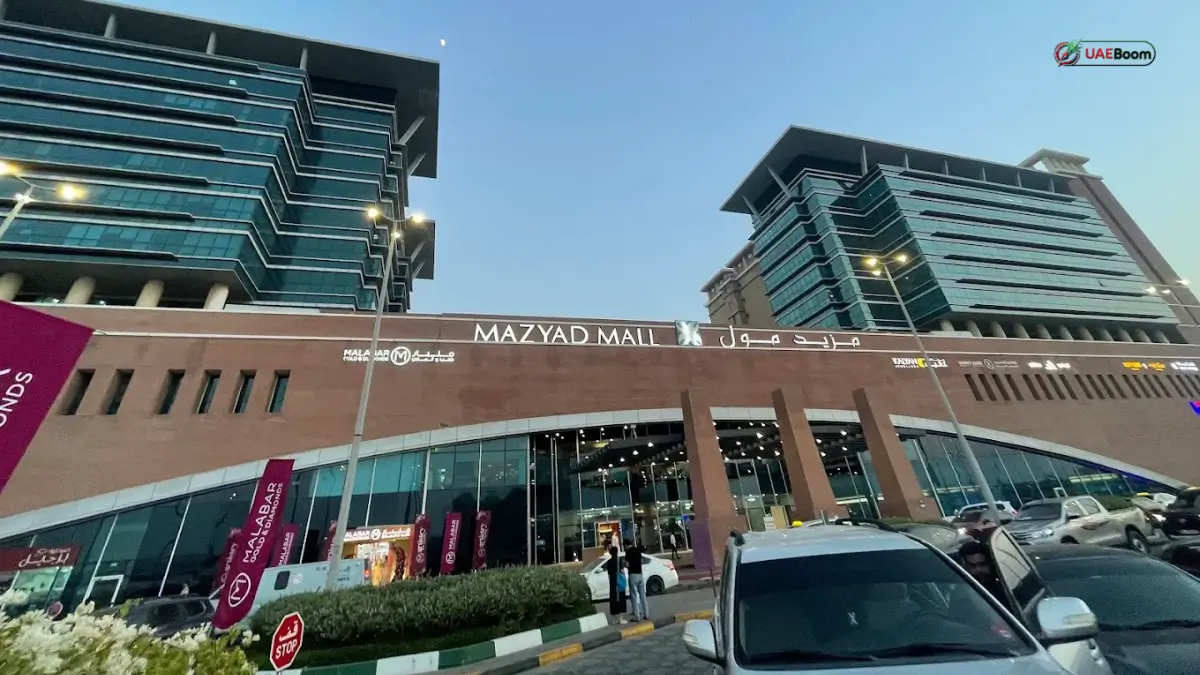
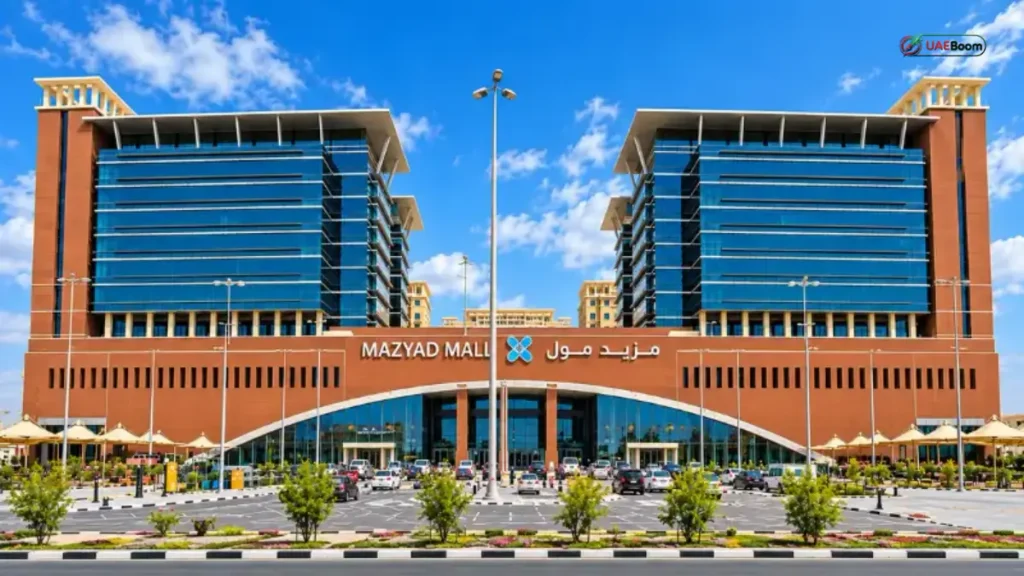
- Mazyad Mall: Serving as the retail heart of the neighborhood, Mazyad Mall features supermarkets, retail outlets, banks, pharmacies, and casual dining spots.
- Dalma Mall: Located just outside the immediate sector boundary, Dalma Mall is one of the largest shopping and entertainment complexes in Abu Dhabi, offering hypermarkets, massive indoor entertainment zones, global fashion brands, and a multi-screen cinema.
- Dining Culture: The neighborhood reflects a rich multicultural culinary landscape, featuring local independent cafes, South Asian eateries, and popular international fast-food chains.
Parks, Recreation & Fitness
Suburban living requires outdoor outlets, and MBZ City delivers a comfortable environment for an active lifestyle.
- MBZ Park: A community favorite featuring shaded walking paths, lush lawns, and dedicated children’s play areas.
- Fitness Culture: The area boasts numerous fitness centers and gyms (such as Uform Fitness inside Mazyad Mall), alongside wide streets that naturally accommodate early morning and evening runners.
- Weekend Explorations: Residents are a short drive away from major cultural and environmental gems, including the Sheikh Zayed Grand Mosque, Al Wathba Wetland Reserve, and the recreational developments of Al Qana.
The Culinary Scene & Local Flavor
While MBZ City is fundamentally residential, its culinary landscape has evolved dramatically over the last few years. Because the neighborhood is home to a wonderfully diverse expatriate community, its dining options reflect a rich tapestry of international cultures rather than just generic fast-food chains.
- Independent Cafes & Bakeries: Scattered throughout the zones, you’ll find cozy local coffee shops serving specialty roasts, artisan pastries, and breakfast spreads that cater to the weekend brunch crowd.
- Authentic South Asian & Levantine Eateries: The commercial arteries of MBZ City feature exceptional, reasonably priced culinary options ranging from authentic South Indian curries and Pakistani grills to fresh Syrian and Lebanese street food.
- Family-Friendly Casual Dining: Mazyad Mall and the surrounding strips offer comfortable family dining outlets, pizzerias, and juice bars, making it easy to grab a bite without heading to the island.
Places of Worship & Multicultural Community
One of the defining strengths of MBZ City is its welcoming, multicultural atmosphere. The neighborhood accommodates various faiths and cultural backgrounds with ease:
- Local Mosques: Neighborhood mosques are centrally located within walking distance of almost every residential sector, serving the community for daily prayers and Friday gatherings.
- Proximity to Churches and Temples: While the immediate district is primarily residential, residents are a short drive from the specialized church clusters in neighboring Mussafah. Furthermore, the iconic BAPS Hindu Mandir is easily accessible via the nearby highway networks, making it convenient for residents of multiple faiths.
Public Transportation & Mobility Realities
While the neighborhood is designed primarily around private vehicle ownership, understanding its transit setup helps with long-term planning:
- Bus Feeder Routes: Department of Municipalities and Transport (DMT) buses operate feeder routes connecting MBZ City to Mussafah and major transit hubs on Abu Dhabi Island.
- Taxis and Ride-Hailing: Taxis (both regular Abu Dhabi Taxi services and app-based options like Uber and Careem) are readily available throughout the district within minutes.
- Walkability Note: Because MBZ City spans a vast land area with strict sector zoning, walking between distinct zones can be challenging during the warmer summer months. Shaded walkways exist in newer pockets, but most residents rely on cars or bicycles for daily errands.
The Pros & Cons of Living in MBZ City
To determine if MBZ City matches your lifestyle, weigh these objective advantages and trade-offs:
The Pros:
- Unmatched Space-to-Price Ratio: You get significantly more bedrooms, larger gardens, and private parking for the same budget that would only buy a compact apartment on the island.
- Self-Contained Convenience: Schools, clinics, malls, and supermarkets are deeply integrated into the community grid.
- Calm Atmosphere: Far removed from the noise of high-density tourist districts, offering a secure environment for raising children.
The Cons:
- Total Car Dependency: MBZ City is a sprawling suburb; pedestrian walkability between distant zones is limited, meaning a reliable vehicle is essential for daily life.
- Commute Times: Island-based office workers must brace for bridge traffic during peak hours.
- Uniform Architecture: The repetitive nature of grid-planned townhouses and villas can occasionally lack architectural flair.
Conclusion
Mohammed Bin Zayed City represents the pragmatic heart of Abu Dhabi’s residential market. It doesn’t try to compete with the luxury waterfront sheen of Saadiyat Island or the urban buzz of downtown. Instead, it offers something far more practical for everyday life: space, community, stability, and genuine financial value.
For families wanting room to breathe, long-term expats planting roots, and smart commuters balancing life between emirates, MBZ City remains a premier choice on Abu Dhabi’s mainland.
Frequently Asked Questions (FAQ)
How long is the commute from MBZ City to downtown Abu Dhabi?
During off-peak hours, the drive takes about 20 to 25 minutes. However, during peak weekday morning and evening rush hours, expect a commute of 35 to 65 minutes due to traffic near the bridges.
Is Mohammed Bin Zayed City a freehold area?
No. MBZ City is a non-freehold district, meaning property ownership is restricted primarily to UAE and GCC nationals. Expatriates can easily lease properties on a long-term basis.
What types of properties are available in MBZ City?
The area is dominated by standalone and semi-detached villas ranging from 3 to 6+ bedrooms. There are also low-rise apartment buildings and townhouses catering to couples and smaller families.
What is the average rent for a 4-bedroom villa in MBZ City?
Annual rents for a standard 4-bedroom villa typically range between AED 95,000 and AED 135,000, depending on the exact zone, property age, and amenities.
Are there good schools located directly in MBZ City?
Yes. The community features several reputable schools offering British, American, and Indian curricula, including Ajyal International School and Bright Riders School, alongside multiple nurseries.
What malls service the residents of MBZ City?
Mazyad Mall is located right inside the community and offers supermarkets, retail shops, and dining. Additionally, Dalma Mall is just minutes away.
Is public transportation available in MBZ City?
While the area relies heavily on private cars, local public bus routes (such as feeder services) operate within the district, and regional rail developments like Etihad Rail continue to shape mainland connectivity.
Is MBZ City pet-friendly?
Yes, living in spacious villas with private yards makes MBZ City an ideal environment for pet owners, provided individual landlords permit pets within rental properties.
What healthcare facilities are available nearby?
Residents have access to local clinics like NMC Royal Family Medical Centre and Madinat Mohammed Bin Zayed Healthcare Center, with larger hospitals easily accessible in Mussafah.
Who is MBZ City best suited for?
It is best suited for growing families, budget-conscious tenants looking for expansive living spaces, and professionals who commute frequently between Abu Dhabi, Dubai, or Al Ain.